The hotel industry is ultimately transitioning toward high-quality service as its core, integrating with lifestyle experiences—shifting focus from traditional accommodation to the new paradigm of "dining, entertainment, and leisure."

The core of the Smart Hotel Integrated Solution is service, achieved through deep integration of scenarios and operations, ultimately delivering the highest quality guest experience.


Networked Management for Branch Operations with Hierarchical Control at Headquarters
Usage Logs of All Accounts Will Be Recorded
Watermarks Will Be Added to Video Footage During Viewing, with Mosaic Processing Applied to Selected Videos
Legacy Camera-Compatible
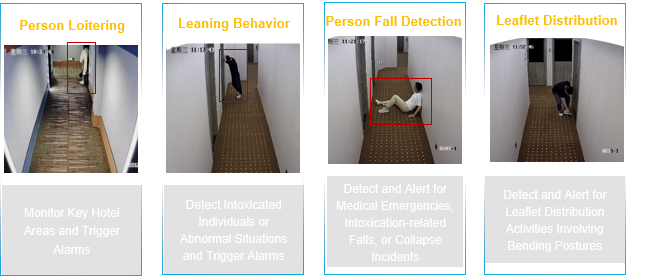
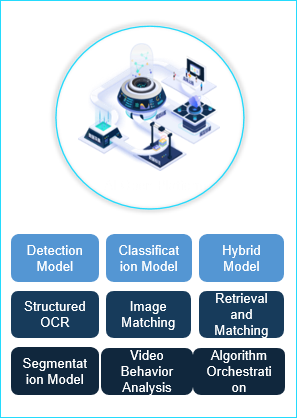
Hotel Behavior Analytics Box Added (detects falls, loitering, leafleting, etc.)
Algorithm Supports Iterative Updates
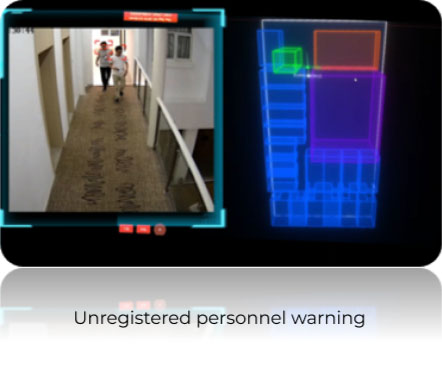
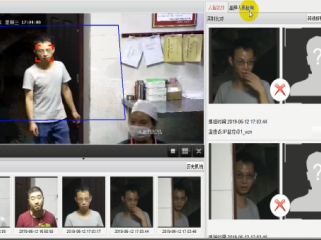
Facial recognition during identity verification collects faces and adds them to an authorized personnel database. Individuals not in this database will trigger immediate alarms.
Smart devices installed at key access points (e.g., elevator lobbies) enable real-time alerts for unregistered personnel on each floor.
Intelligent cameras deployed in corridors and elevator lobbies use facial and body recognition, combined with spatiotemporal data, to perform cross-region tracking and confirm entry/exit records of unregistered individuals.

Networked Management for Branch Operations with Hierarchical Control at Headquarters
Usage Logs of All Accounts Will Be Recorded
Watermarks Will Be Added to Video Footage During Viewing, with Mosaic Processing Applied to Selected Videos
Legacy Camera-Compatible
Hotel Behavior Analytics Box Added (detects falls, loitering, leafleting, etc.)
Algorithm Supports Iterative Updates
Facial recognition during identity verification collects faces and adds them to an authorized personnel database. Individuals not in this database will trigger immediate alarms.
Smart devices installed at key access points (e.g., elevator lobbies) enable real-time alerts for unregistered personnel on each floor.
Intelligent cameras deployed in corridors and elevator lobbies use facial and body recognition, combined with spatiotemporal data, to perform cross-region tracking and confirm entry/exit records of unregistered individuals.


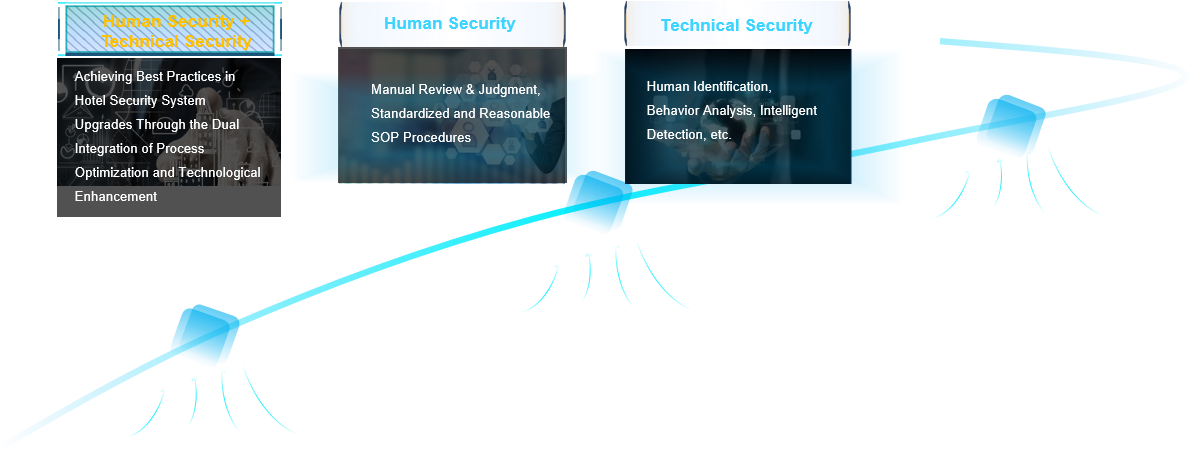
According to the requirements of the "Counter-Terrorism Law", guests must undergo real-name registration when checking into hotels. Hotels are obligated to fulfill their management responsibilities by conducting proper identity verification and ensuring security within their premises. However, due to the high volume of guest turnover and instances of one ID being used for multiple occupants, it is extremely challenging for hotels to rely solely on manual methods to prevent unregistered individuals from staying or entering.

Using AI-powered intelligent measures to effectively manage unregistered personnel, enabling comprehensive control over the hotel's staff, assets, and property to prevent potential security risks.


Enhance hotel compliance management through digital solutions, with intelligent assistance to reduce administrative stress. Meanwhile, cut down on manpower investment in security and front desk operations, alleviating the cost pressure on business operations.
Through an AI open platform, abnormal behaviors within the hotel—such as loitering, unusual leaning, or people collapsing—are analyzed and identified, providing technical support for enhanced security management.


The core of the Smart Hotel Integrated Solution is service, achieved through deep integration of scenarios and operations, ultimately delivering the highest quality guest experience.


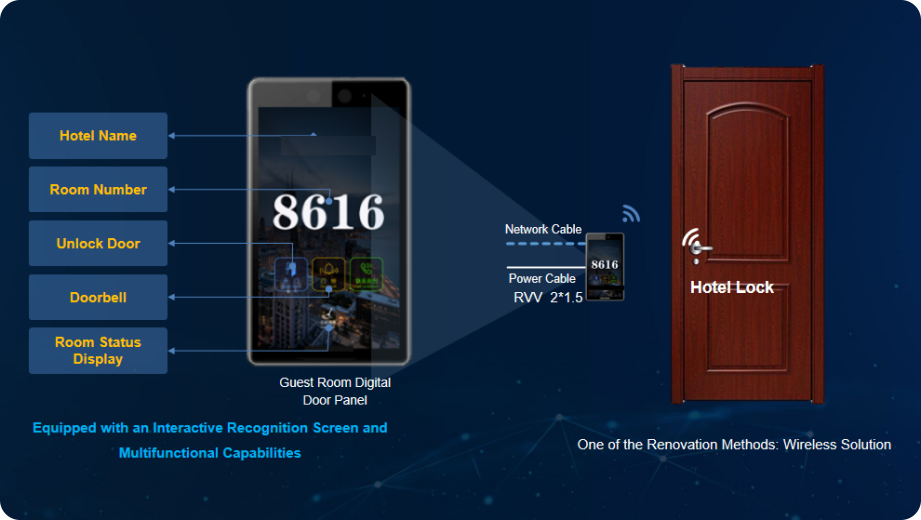
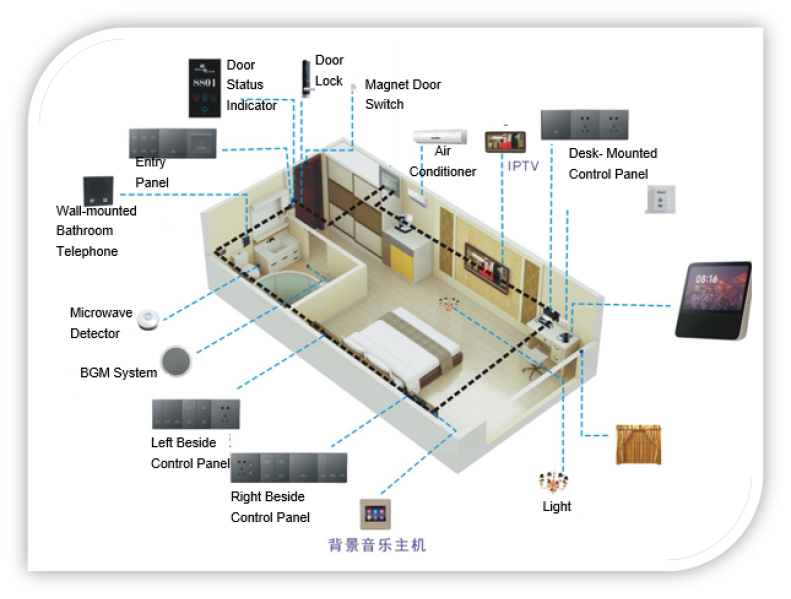
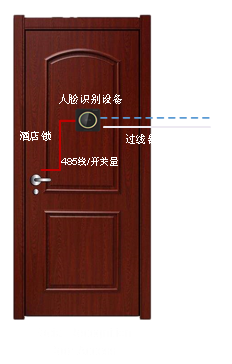
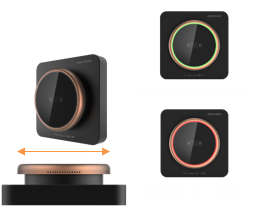
After the guest enters his/her face at the front desk, he/she can use the electronic doorplate to verify his/her identity and open the door after successful identity verification. Rapidly compare facial information to ensure that it is the tenant himself/herself, effectively protect the tenant's personal safety, and improve user experience.

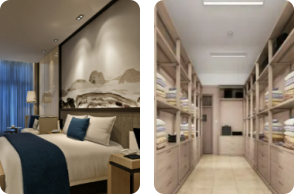
Achieves a 7+N+3 smart room ecosystem, namely 7 major controls in the guest room (door display, door lock, power supply, whole-house lighting, air conditioning, curtains, TV) + N customized scenes + 3-end linkage (interactive TV + mobile app + voice control), supplemented by sensor device recognition and voice system, to meet more guests' needs and enhance the guest experience.
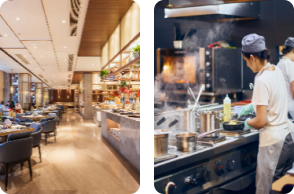
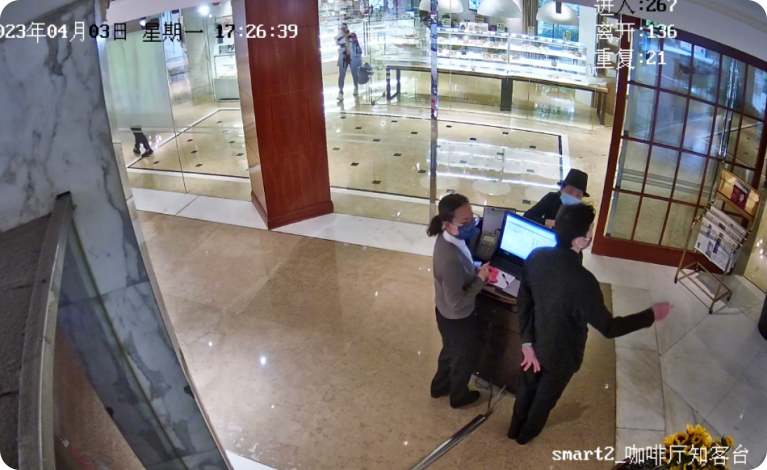
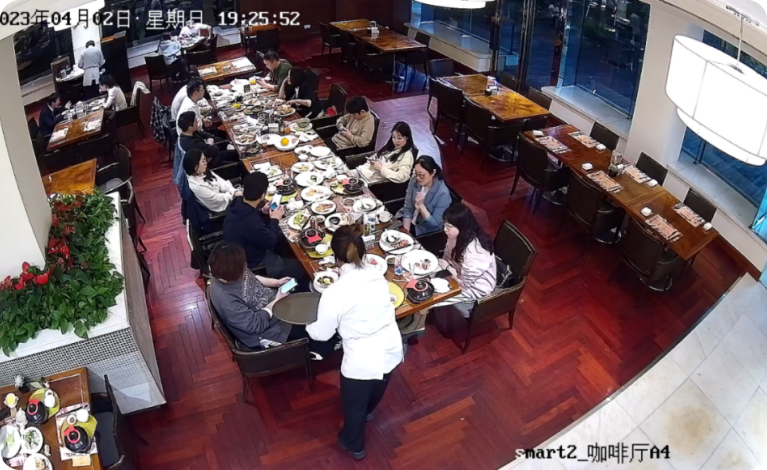
AI-enabled monitoring identifies guest reception status at restaurant entrances and tracks staff service timeliness during dining, providing actionable insights to optimize hotel restaurant operations in real-time.


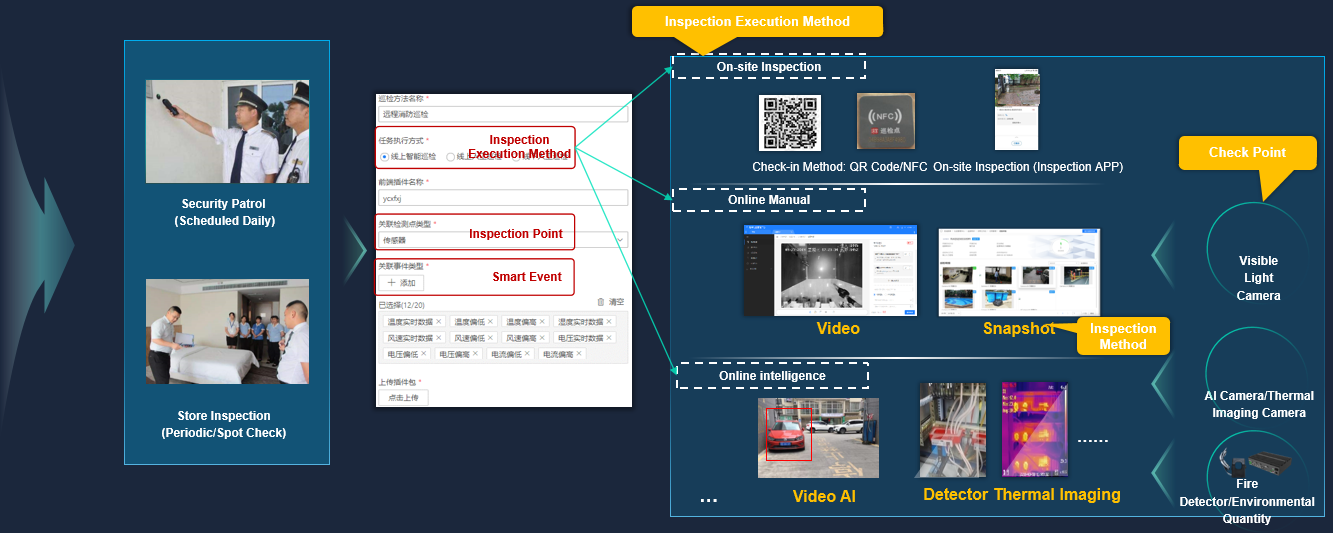
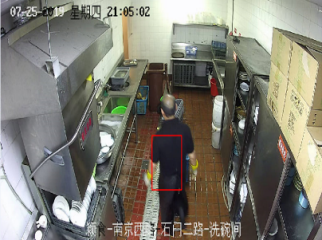
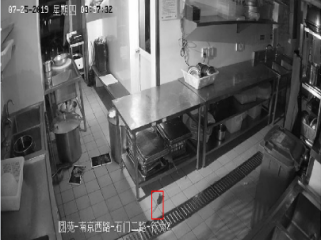
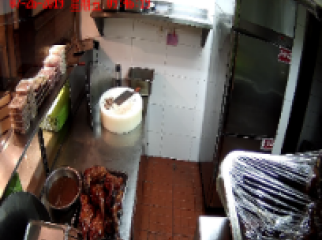
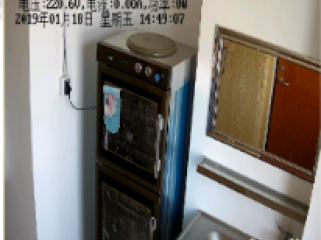
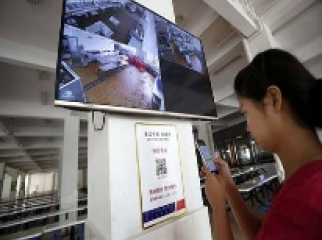
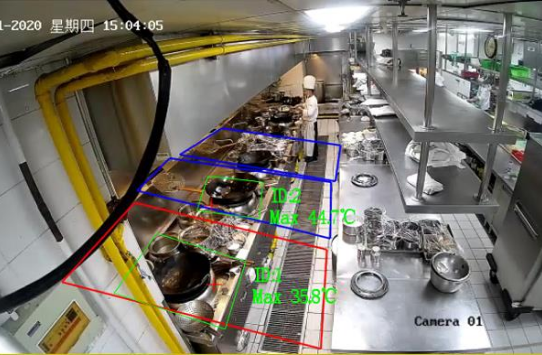
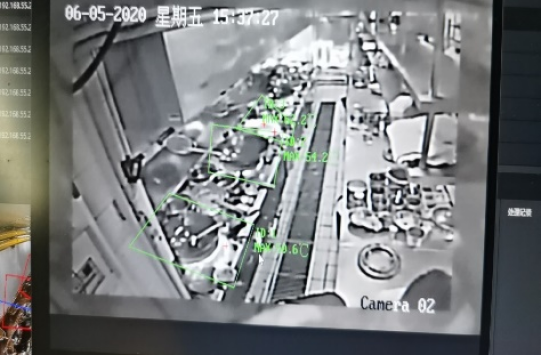
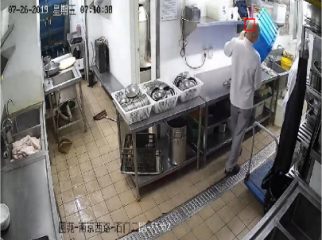
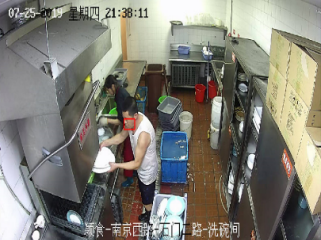
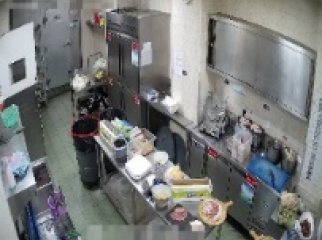
AI and IoT-powered smart inspection system for hotel kitchens enables online intelligent monitoring, dynamic quantitative assessment, issue rectification, tiered precision supervision, and risk early warning. It fully implements food safety responsibilities in catering services and enhances food safety management standards in hotel kitchens.


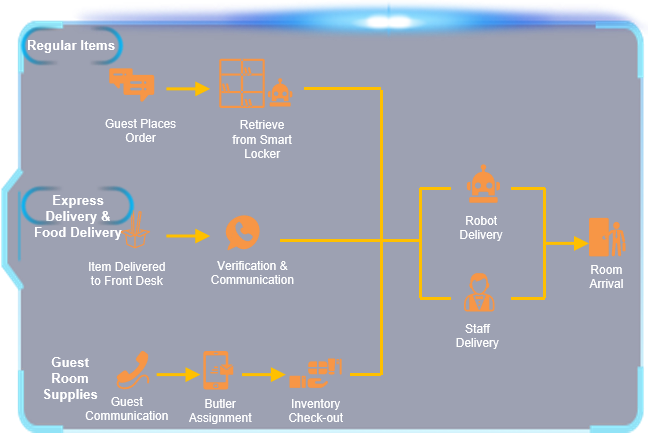
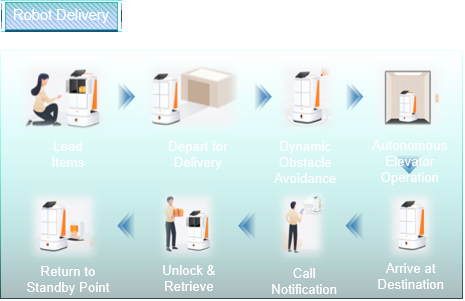
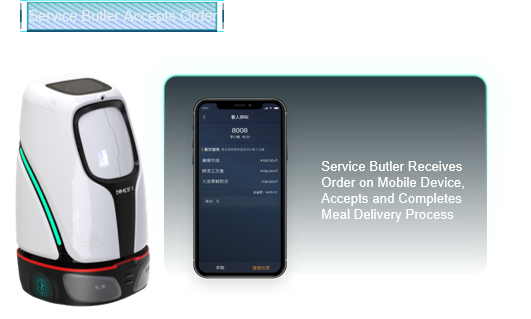
The hotel offers various guest service solutions, leveraging digital systems and robotic delivery to enhance efficiency and service quality.


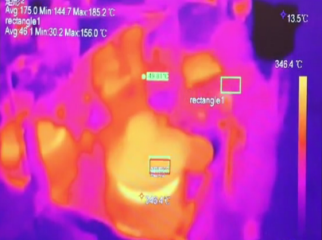
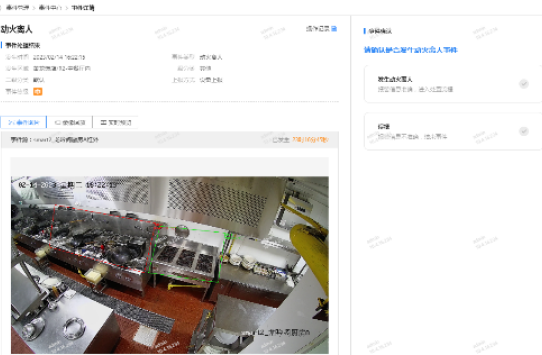
Unattended open flames at cooking stations pose significant fire hazards. Our dual-spectrum thermal imaging system, integrated with operational logic, detects both high temperatures and staff absence in designated zones. When unattended conditions persist beyond preset durations, the system triggers audible-visual alarms to effectively prevent pot dry-boiling incidents and mitigate fire risks in hotel kitchens.


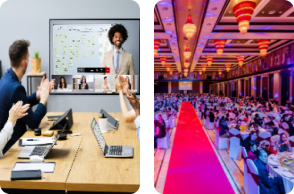
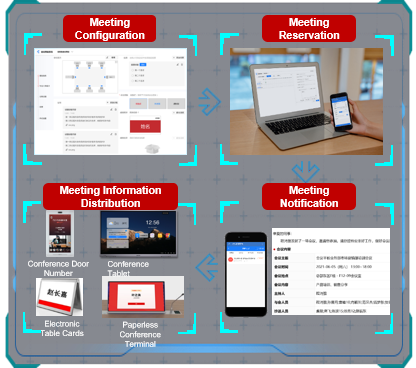
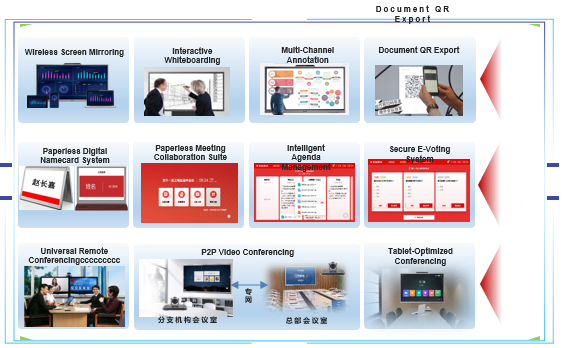
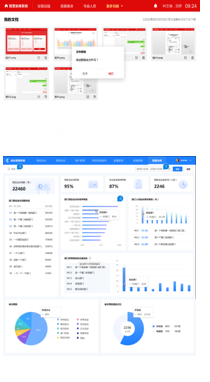
Delivering end-to-end conference solutions encompassing pre-event preparation, in-session collaboration, and post-event management, to optimize efficiency and convenience for both internal and external meetings at hotels.


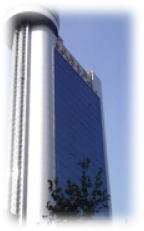
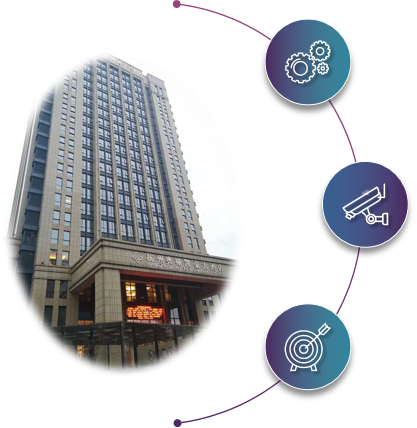
Hangzhou Grand Hotel, as one of the landmark buildings in the city, is situated in Hangzhou's most bustling commercial and financial hub—Wulin Square—boasting an unparalleled location with exceptional transportation convenience. Standing at a height of 112 meters with 32 floors, the hotel offers panoramic views of West Lake to the south and overlooks the Grand Canal to the north. It is a high-star international business hotel integrating guest rooms, dining, and entertainment.
The hotel industry faces severe homogenization, making the enhancement of guest experiences and operational efficiency a perpetual pursuit for hotel management.
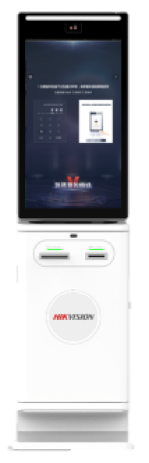
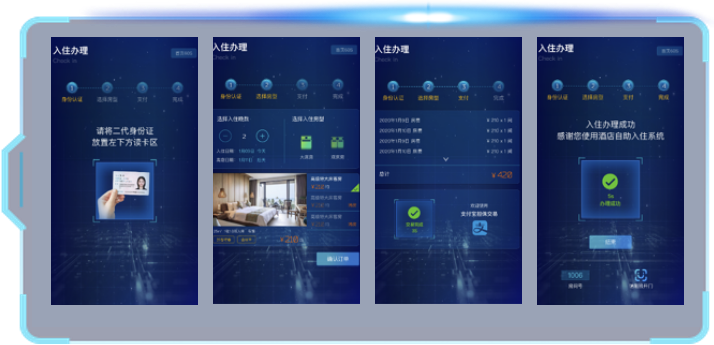
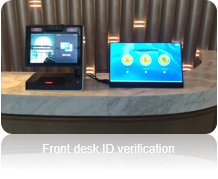
The hotel offers facial-recognition check-in services to enhance the guest experience, improve operational efficiency, and elevate its smart hospitality standards.

After completing identity verification at the front desk, the system captures facial data and integrates with the Property Management System (PMS) to enable facial recognition for check-in, elevator access control, and payment authentication.


The Hangzhou Aocheng Kaihao Hotel, located in Qianjiang Century City, Hangzhou, features over 200 guest rooms, all equipped with facial recognition for check-in. The system enables face-scan registration, facial recognition door access, elevator control via facial recognition, alarms for unregistered individuals, and self-service check-in. The hotel commenced operations at the end of 2018.
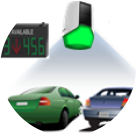
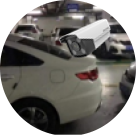
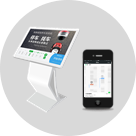
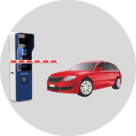
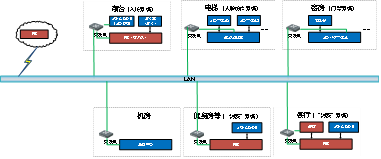
ntelligent cameras, identity verification devices, wall-mounted facial recognition terminals, hotel locks, self-check-in kiosks, wireless cameras, parking lot systems, etc.